Ever pop up a ball, try desperately to reset the next attack, and end up serving your opponent another delicious meatball? Yeah, we've been there.
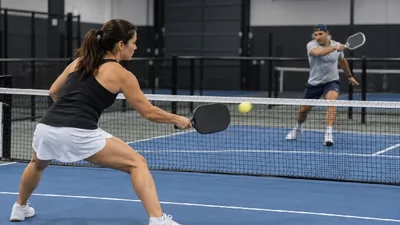
Playing against a banger comes down to patience, not power. This guide covers the deep return, the soft block, and the reset that turns their offense into your rally.
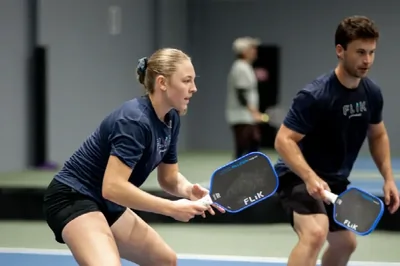
You won 11-6. You picked on the weaker player, ran around your backhand, ripped every third shot and leaned on the patterns you trust.
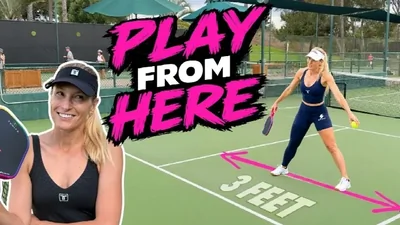
We’ve told you this before, and we’ll say it again: You don’t have to hug the line with your toes every time you’re up at the kitchen.
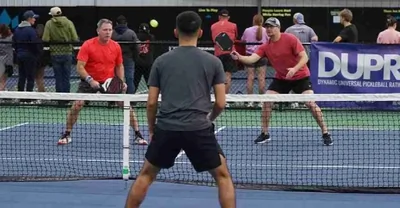
Stacking looks complicated, but get past all the fancy movement and it actually telegraphs exactly where your opponents are going.
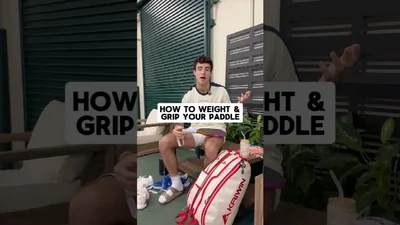
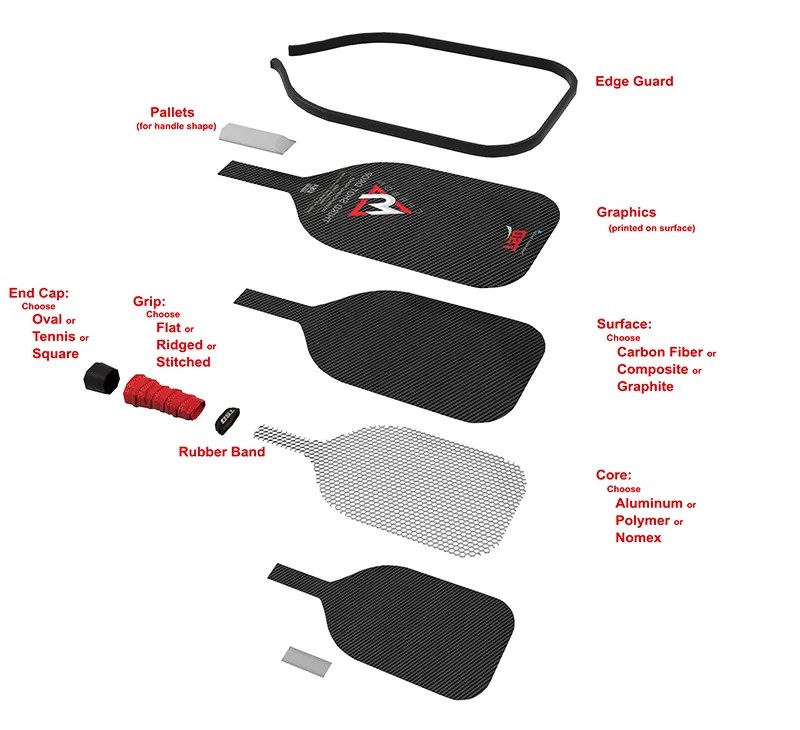
Do you buy a paddle new and just play with it as is, stock out of the box?
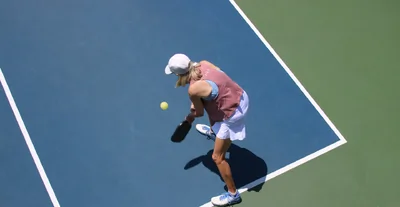
Reps are great, but if you’ve plateaued, keep making the same errors, or find yourself avoiding a certain shot or skill repeatedly, it might be time to seek professional help. And trust us here, there’s absolutely no shame in that game.
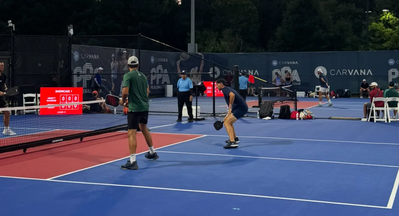
We've all been body bagged or lost a long rally and felt the urge to exact immediate revenge by playing fast and dumb instead of smart and deliberate.
“An enormous part of improving your pickleball level is strengthening the mental side of the game,” says pro Eric Roddy. “And for amateurs, this crucial mental maturation is often as simple as overcoming one shot: the frustrated speed-up.”
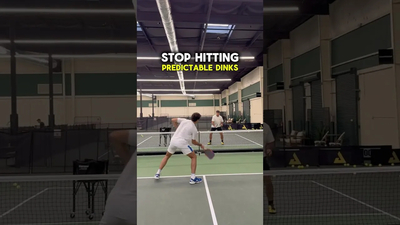
Sure, ripping a passing drive or smashing an overhead through the back of the court feels great. But there’s something uniquely satisfying about winning a point off a perfectly disguised dink.
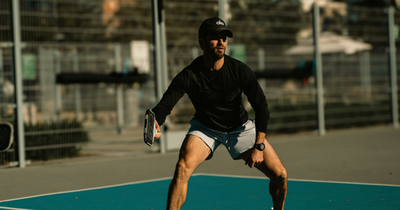
You've been there: you dig out a tough ball, get it back over the net clean, and the other team just... puts it away anyway. Getting the ball over is only half the job.
Tanner Tomassi is probably the most prolific content creator in all of pickleball. The dude has been at it so long, he literally wrote the book on how to improve every facet of your game. But he doesn’t just talk the talk. He’s been a pro on the APP Tour for four years now, amassing plenty of podium spots along the way.
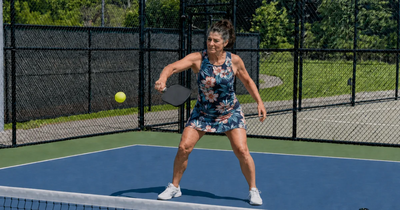
When someone fires a hard ball at you, the natural reaction is to send it right back. But according to Senior Pro Gina Cilento, advanced players recognize when another hard shot will only keep their opponent in control.
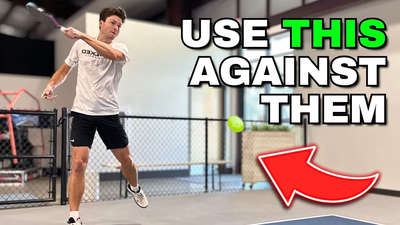
By and large, pickleball players tend to fall into a handful of distinct categories. Every player has strengths and tendencies, and the way they play can reveal whether they rely on heavy spin, raw power, patience, or consistency.
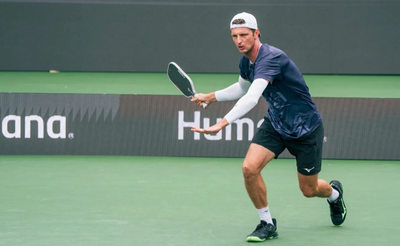
Here at The Dink, we know a lot about pickleball strategy and technique. We live this sport, after all—studying it, watching it, and playing it ourselves.
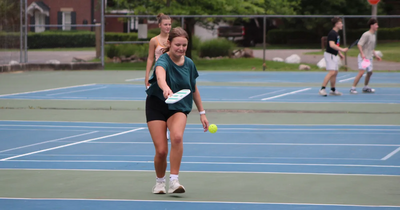
Every new pickleball player wants to improve quickly, but many skip the fundamentals and jump straight to advanced shots. According to Senior Pro Gina Cilento, building the right foundation is still the fastest way to become a better player.
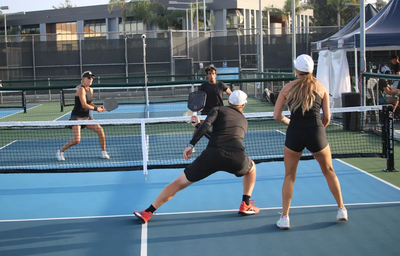
It’s fun, rewarding, and productive to focus on how we can all win more pickleball games. But we often overlook the heart of the problem: why we’re losing to begin with.