Just like your thirds or dinks at the kitchen line, the foundation of winning pickleball strategy is variation. Hit the same shot over and over and any good opponent will catch on and capitalize. Mix things up, though, and you’re in the driver’s seat.
Pickleball strategy is like the weather in New England: Not a fan? Just wait five minutes.
Strategy fundamentals that were gospel when you first started probably aren’t as relevant anymore. Some, believe it or not, are totally outdated. Allow us to catch you up to speed with the help of pro Tanner Tomassi.
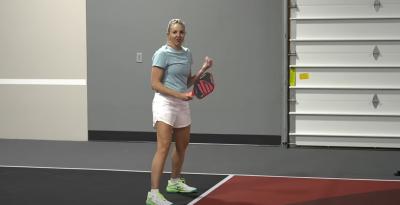
Like most winning shots in pickleball, effectively (and safely) chasing down a lob is all about patterns. First, you need to recognize and communicate whose ball it is, then it’s a game of footwork. Resist the urge to rush and focus on a quality return. Susannah Barr shows the way:
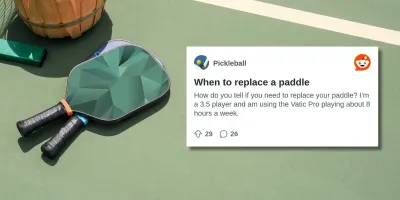
It’s no surprise that pros rip through paddles like crazy — some, like Quang Duong, are lucky to get a full week out of one paddle before needing a fresh replacement.
For us mere mortals, the active lifespan of a pickleball paddle is considerably longer. But at some point, old faithful will feel tired and it’ll be time for an upgrade.
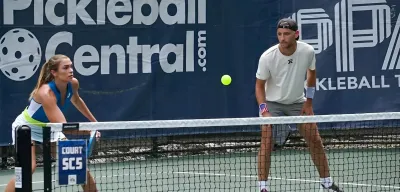
Play pickleball long enough and you’ll find yourself teamed up with a considerably weaker partner. We’ve all been there, gritting our teeth as Larry dumps yet another sitter into the middle of the net.
As you become a more advanced pickleball player, details start to matter. Minor tweaks in your game can translate to noticeable performance upgrades. It’s time to sweat the small stuff.
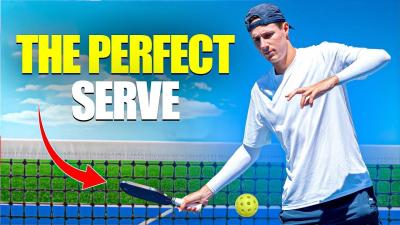
Watch any top pro serve. Now watch them again. Notice anything? They repeat the exact same motions, down to the breath, every time. Peak performance is all about consistency. Roscoe Bellamy is no exception. The former UCLA and pro tennis player is now making his 6’ 5” presence known in pro pickleball, largely in the form of a formidable forehand and monster serve.
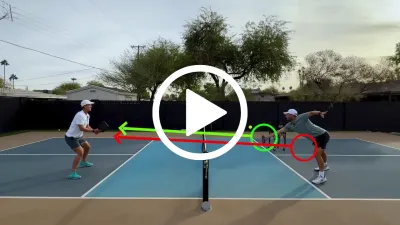
Augie Ge is an MLP champ known for his cerebral approach to the sport. The crafty lefty is a master at decoding when to play it safe and when to get aggressive. Here, he hits the court with fellow pro Kyle Koszuta to detail their “3-Part Kitchen Formula” for better decision-making when attacking at the kitchen line.
Advanced pickleball play is often synonymous with speed, power and aggression—the higher your DUPR, the harder you can hit the ball. But that doesn’t have to be the case. There are plenty of pros whose game is more defensive than offensive—think Augie Ge or Tyra Black. Their secret is knowing when to attack.
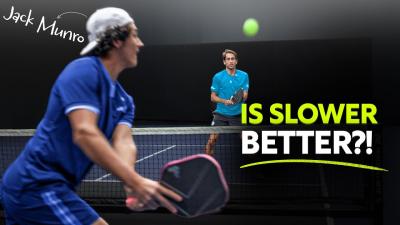
If you want to get better at pickleball, you need to start paying attention to strategy. That means recognizing and exploiting patterns that play to your strengths.
Playing in windy conditions is a frustrating but inevitable reality for any pickleballer. Mother Nature is a fickle beast, as they say—and a well-timed gust can make even the most seasoned pro look like a total noob. You can’t change the wind, but you can make some adjustments to give yourself a fighting chance. Here, pro James Ignatowich walks you through the tips he’s picked up throughout his career.
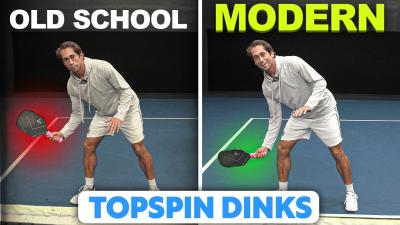
Dead dinks are the kiss of death. As your DUPR increases, so does the need for a more aggressive dink option from the Kitchen line. That’s where the forehand topspin dink comes in.
It’s the shot you should have on autopilot—just the right amount of consistency, offense and aggression.
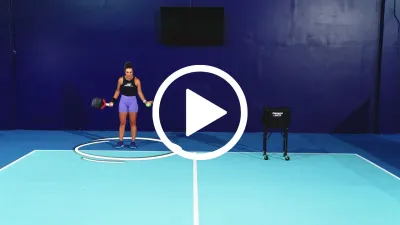
If you stopped reading at “singles,” we get it—most people stick to doubles and assume any singles-specific strategy is a waste of time. Way too much running. No thank you. But wait. Selkirk pro—and new teammate to Rachel Rohrabacher—Catherine Parenteau knows a thing or two about winning: she’s ranked #7 in singles and #2 in women’s doubles on the PPA Tour.
The drop shot is one of the most important shots in pickleball because it allows you go from the baseline to the kitchen line, which is the best and most advantageous to play. Learn about the mistakes that are killing your pickleball third shot drop, including which partner should hit this shot, planting your feet on the return of serve, and how to know if it’s time to make your way to the kitchen line. Plus, learn about the “Traffic Light” system to tell you how to hit the 3rd shot and practice a pickleball drill to improve your drop shots during your next pickleball game.
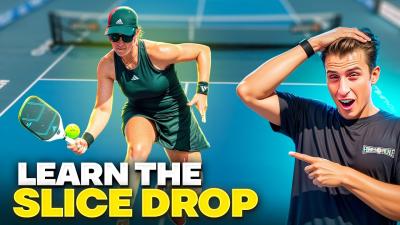
Ask three people for advice on the best third shot option in pickleball and you’re bound to get three different answers. Here’s a truth-bomb from Mari Humberg to try on for size: The best third shot is the one you can consistently get over the net.
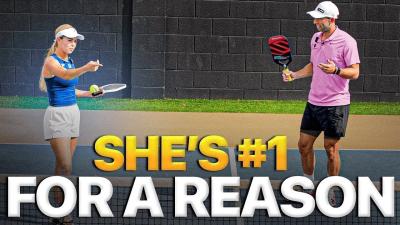
Anytime Anna Leigh Waters wants to give a bunch of free pickleball advice, you know we’re locking in.
In a new video, she discusses a bread-and-butter shot that really got us thinking: On a forehand, instead of following through across your body to the opposite shoulder—follow through up and above your paddle arm.