When rising pro Cam Luhring found himself facing Eric Oncins and Dylan Frazier at a recent PPA event in Sacramento, he knew he had an uphill battle to stay in the match and be competitive.
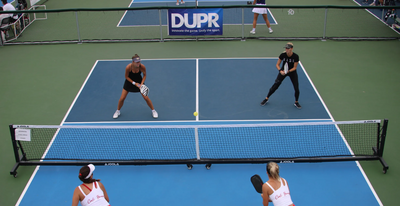
Play pickleball long enough and you'll start to see certain patterns emerge — both in your own game and that of your opponents. The sooner you recognize winning patterns and implement them into every point you play, the sooner you'll start to see that DUPR creep up. Here are three to start with.
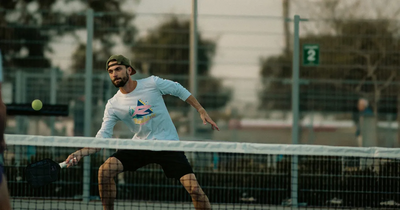
The moment your opponents see you lean back or look up, they're already retreating.
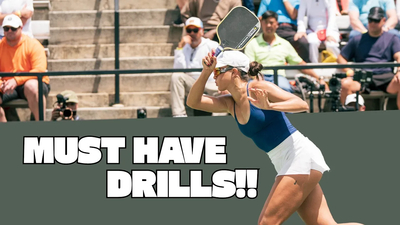
When your fourth player bails on pickleball night, most amateurs panic.
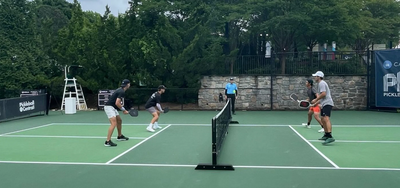
We’re going to let you in on a little secret: even the best pros in the world don’t hit perfect drops 100% of the time.
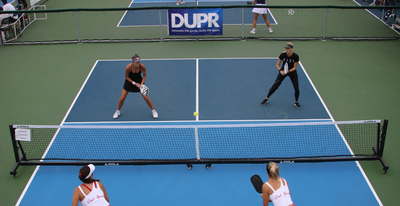
There’s a common misconception around practicing patience at the kitchen line. Most people think it means staying the course until your opponent makes a mistake. It doesn’t. That philosophy is passive. True patience in the midst of a dink rally is anything but.
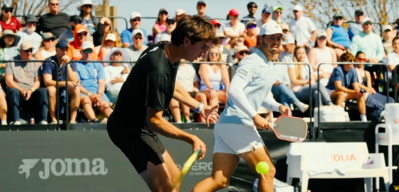
One of the fun parts about pickleball is the variety of scenarios that play out each and every game. No two points are ever the same. It's fun to think about what shot to hit and where you want the ball to land. But how closely should you be watching the ball all the way through contact?
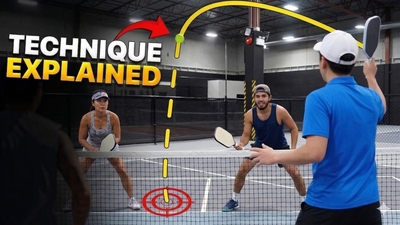
Instead of aimlessly hitting drop shots and wondering why you’re dumping so many into the net, take a step back and consider the root of your problem. That is, maybe you’re not thinking about the shot enough to begin with.
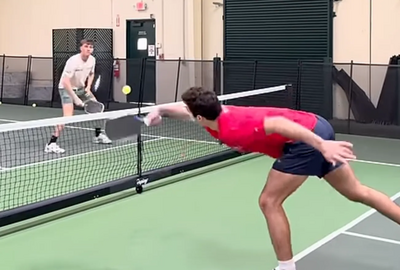
The bump is a shot you see in advanced pickleball a ton. It doesn't look like much, but it's highly effective for staying ahead of points and dictating pace of play on your own terms.

“If you believe your drop, drive, or drip will reach your opponents’ feet and they’ll have to hit up on the next shot, that is a good indicator that you may get an opportunity to move forward and attack the next ball from the transition zone.”
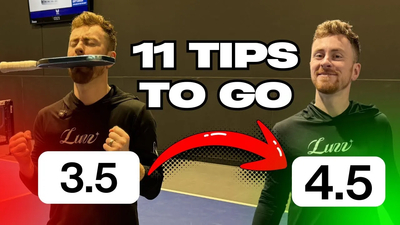
We talk a lot about how to break the 4.0 plateau. But what if you’re not quite there yet? For anyone grinding at more intermediate levels, here are a few solid tips that’ll help take your game up a notch.
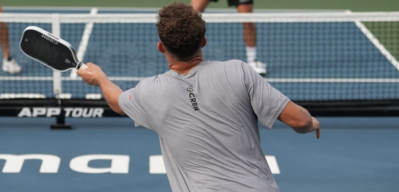
There’s a sinking feeling that comes from seeing an opponent set up to take a monster hack at a slice return. We’ve all been there. Hit correctly, this shot can present a rash of problems. It’s hard to drop and easy to pop up. So what do you do?
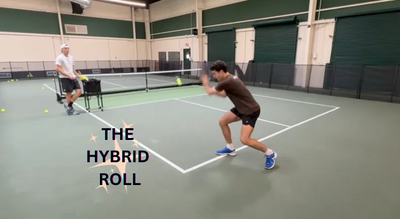
Here’s the stone-cold truth about advanced pickleball in 2026: you can survive using the same bag of shots you’ve relied on for years. But to thrive, to dictate points and win high-level games, you need to improve your skills and add new shots. All the time. Take this one, for example: The aggressive third-shot roll drop.
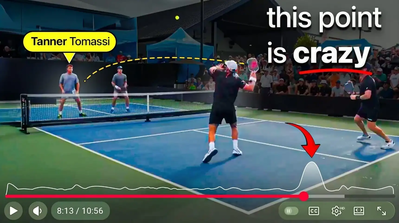
Kyle Koszuta had a big 2025 on the APP Tour. So big, the dude just announced a new paddle deal with Friday Pickleball. In a new video, he gave some illuminating advice on how he was able to go so deep in so many big tournaments.
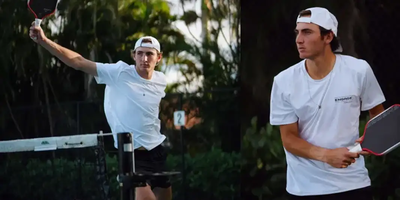
There are few PPA pros playing with more confidence right now than Eric Oncins. Coming off a stellar 2025 season, it’s no wonder he’s a nominee for The 120/Life Dink Awards Breakout Player of the Year. So when he hits a court with APP standout Tanner Tomassi to talk speeding up off the bounce, you best listen.
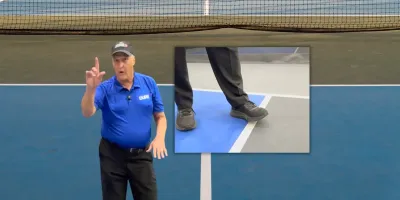
Pickleball rules are full of quirks. And no technicality causes more tiffs or challenges than the “re-establishment” rule. Pros hate getting called for it. You’re probably not getting called for it enough.