The third shot drop is widely referred to as the hardest shot in pickleball. If it’s hit too high it’s smashed for a putaway. A little too low, and it’s straight into the net.
Senior Pro Dayne Gingrich argues that the time to prioritize the third shot drop has come and gone. He says “The 3rd shot drop should be put on the back shelf and only used when absolutely necessary. The drive/drop combo is a much better play for all levels.”
The forehand takes the middle. It’s a solid rule that should be adhered to MOST of the time.
Ben Johns is known for making the impossible possible on the pickleball court. But what might be more impressive is his consistency in maintaining his status at the top of the game month after month. On the PicklePod, Johns identified a major mistake that is detrimental to the consistency of amateur players: trying to control or add to your shot with wrist movement.
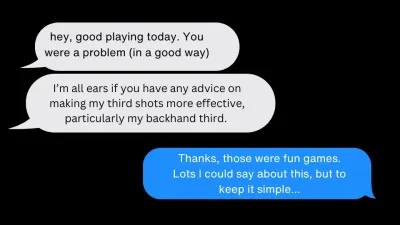
It’s always nice when your opponent compliments you after a game. It’s even sweeter when they ask for your advice. Here was mine to this person asking about improving their backhand third shot:
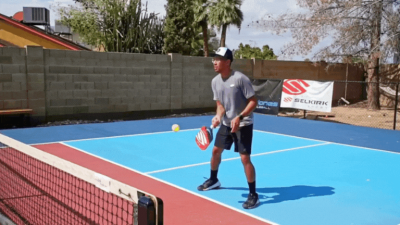
A consistent ready position is a hallmark of top-level pickleball players. It enables them to react quickly and easily handle fast-paced exchanges. But many players overlook this crucial habit, leaving them vulnerable. Let’s explore what players get right and where they go wrong when maintaining a strong ready position. Here's what Selkirk-sponsored pickleball instructor Jordan Briones has to say.
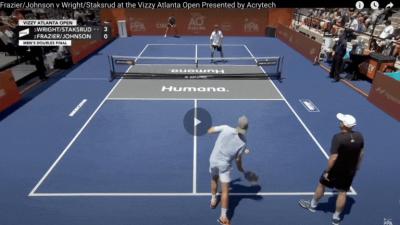
A key trait of advanced pickleball players is their ability to use patterns to control a game. If you've ever wondered how some players always seem to be one step ahead, this Up Your Game is for you. We’ll break down three attacking patterns that top players rely on in nearly every match. Master these, and you’ll win more rallies and dominate your opponents.
There’s no doubt that the right-side player's role has changed. They can no longer sit back in a passive role. In order for the team to compete at the highest level, the right-side player needs to attack and be aggressive to create more offense. James Ignatowich dives deep into the intricacies of the doubles game in a new podcast episode. He says, “If the left-side player doesn’t have a strong two-handed backhand counter, you can pretty liberally speed it up down the line.”

We all admire that smooth two-handed backhand dink James Ignatowich makes look effortless, right? Well, spoiler alert: waking up and whipping out ‘twoeys’ like James doesn’t just happen—it’s all about technique and training. If you’ve been wondering why your backhand dinks aren’t quite there yet, pickleball trainer Connor Derrickson has pinpointed three key areas you must work on. And no, it’s not just about hitting more balls.
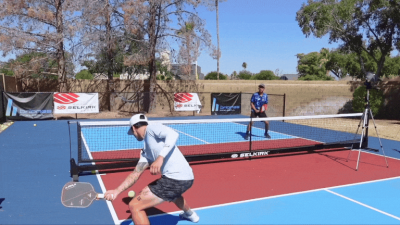
Mark Twain said, "The Reports of my death are greatly exaggerated." The same could be said about dinking in pickleball because if you were to watch any 4.0-5.0-level rec game, you’d think dinking is dead. However, analytics show dinks are still the most common shot hit in games. So, while dinking might be less popular than it was a few years ago, they’re still a massive part of the games we play daily.
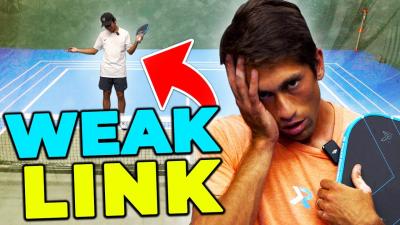
Getting paired with a weaker player can be a helpless feeling. No matter what you do, that point always seems to end on their paddle. The other team notices and begins sending every ball their way. It is a challenging situation, but Zane Navratil has some tips to help you overcome a weaker partner and get the win.
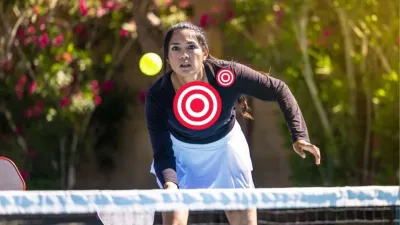
Where should you attack an opponent who is standing at the kitchen line? You're not wrong if you said the hip, shoulder, or right at their chest. But you’re also only half right.
The correct answer lies in your opponent’s paddle position. Here’s a quick breakdown of common paddle positions and where to aim your attack to be most effective.
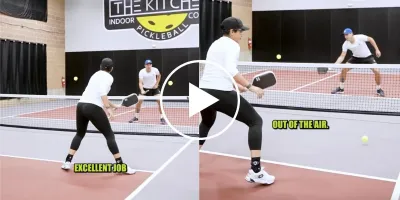
s your level of play rises, the pace of the game slows down. Those 4.0 games that used to seem fast and intense will become a walk in the park with predictable shots you know how to counter as you level up.
You will notice the difference if you move from a high-level game back down to a lower level. If high-level games aren’t at your disposal, you can use the two-ball drill to simulate high-speed play.
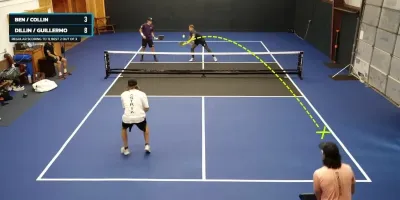
The roll volley is a shot somewhat unique to pickleball in the world of racquet sports. Most players coming from tennis are accustomed to slicing a volley as they close in on the net. In pickleball, the roll volley is a great option to thwart your opponent's attempts to advance forward in the court. It is also a valuable weapon to attack with while at the kitchen line.
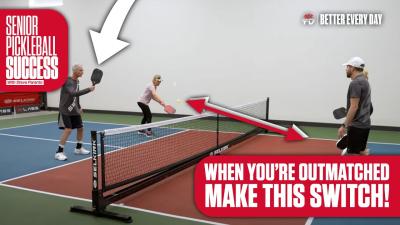
The game of pickleball gets younger every day. After you encounter some teenagers on the court you’ll notice one thing … they get to everything.
Youthful energy can be a superpower.
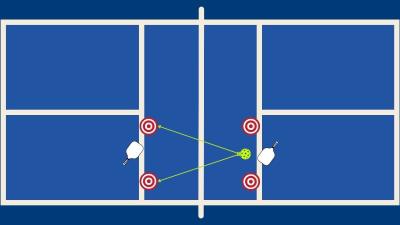
Here’s what to focus on if you want a two-handed backhand dink
One of the first things James emphasizes is the importance of using a cupping motion.
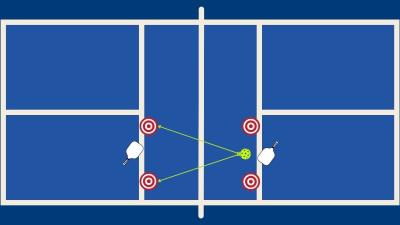
Most pickleball advice tells you how to attack or defend better. However, learning how to make yourself “unattackable” is just as important.
Here are a few ways.