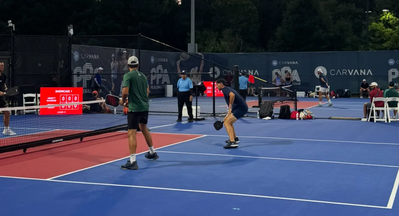
We've all been body bagged or lost a long rally and felt the urge to exact immediate revenge by playing fast and dumb instead of smart and deliberate.
“An enormous part of improving your pickleball level is strengthening the mental side of the game,” says pro Eric Roddy. “And for amateurs, this crucial mental maturation is often as simple as overcoming one shot: the frustrated speed-up.”
Sure, ripping a passing drive or smashing an overhead through the back of the court feels great. But there’s something uniquely satisfying about winning a point off a perfectly disguised dink.
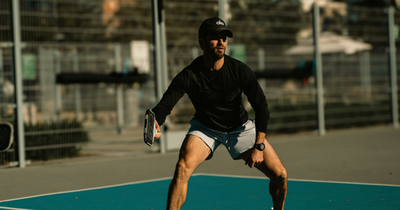
You've been there: you dig out a tough ball, get it back over the net clean, and the other team just... puts it away anyway. Getting the ball over is only half the job.
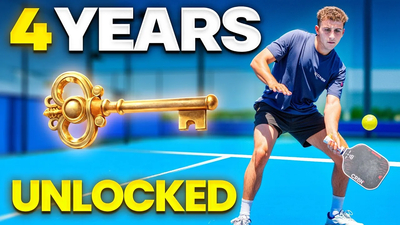
Tanner Tomassi is probably the most prolific content creator in all of pickleball. The dude has been at it so long, he literally wrote the book on how to improve every facet of your game. But he doesn’t just talk the talk. He’s been a pro on the APP Tour for four years now, amassing plenty of podium spots along the way.
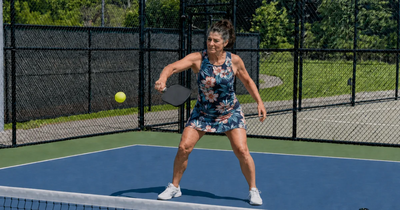
When someone fires a hard ball at you, the natural reaction is to send it right back. But according to Senior Pro Gina Cilento, advanced players recognize when another hard shot will only keep their opponent in control.
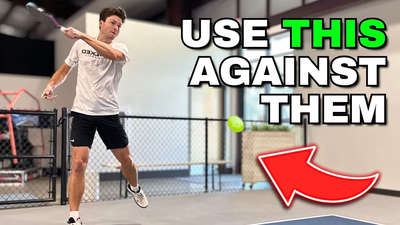
By and large, pickleball players tend to fall into a handful of distinct categories. Every player has strengths and tendencies, and the way they play can reveal whether they rely on heavy spin, raw power, patience, or consistency.
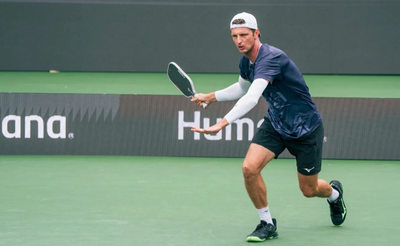
Here at The Dink, we know a lot about pickleball strategy and technique. We live this sport, after all—studying it, watching it, and playing it ourselves.
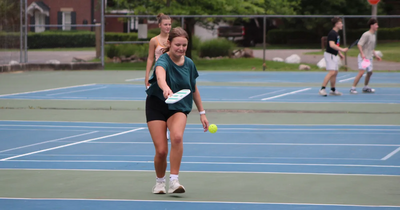
Every new pickleball player wants to improve quickly, but many skip the fundamentals and jump straight to advanced shots. According to Senior Pro Gina Cilento, building the right foundation is still the fastest way to become a better player.
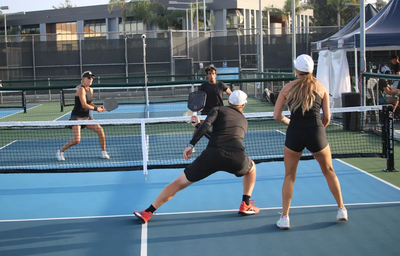
It’s fun, rewarding, and productive to focus on how we can all win more pickleball games. But we often overlook the heart of the problem: why we’re losing to begin with.
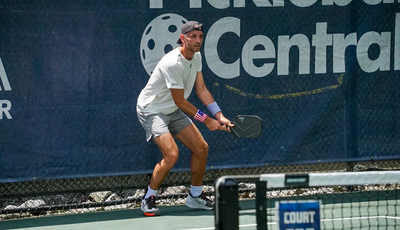
We’ve harped on this before. Warned you about adapting or being left in the dust. And yet, we’re still seeing plenty of amateur players stubbornly go about their business without a reliable two-handed backhand.
Kitchen defense is often talked about in absolute terms: you want to be a brick wall up there, defending the line like your life depends on it.
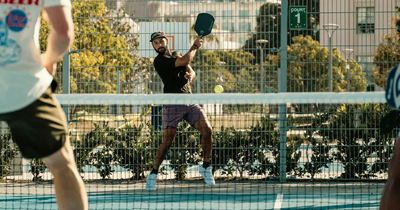
Topspin gets treated like an advanced skill, but it's really just a small swing adjustment with a big payoff—a dipping ball is harder to attack and easier to keep in bounds than a flat one.
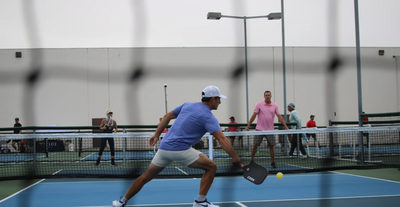
The concept of poaching in pickleball gets a bad rap. Too often, it implies someone over-playing their position, being too aggressive, or just generally acting like a ball-hog. And nobody likes a ball-hog.
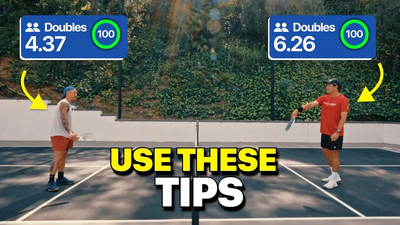
What happens when a really good pickleball player gets on the court with a great one?
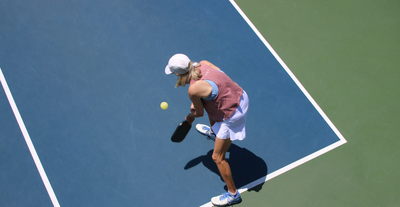
From the time you just start playing to the most competitive courts at your local facility, there’s one piece of advice put on repeat: get the ball down at your opponents’ feet every chance you get.
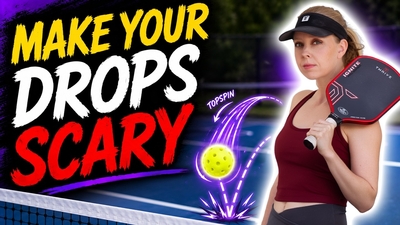
There’s nothing wrong with hitting a comfortable and safe third shot push or shovel drop. But sometimes you need to apply a little extra pressure, right?