Shot selection is everything in competitive pickleball, especially at the kitchen line when points can move very fast and your reaction time is reduced to milliseconds. Things get even more complex on the backhand side.

Most recreational players think aggressive dinking means hitting hard, but James Ignatowich insists it's actually about placement and timing.
After coaching hundreds of players, and competing in countless pro tournaments, Ignatowich has identified the most common mistakes that hold players back from taking control at the kitchen line.
When you boil it right down, pickleball is really a game of a few critical shots. Sure, a blistering drive can come in handy. And a feathery topspin lob? Just delightful.
There’s a moment in every pickleball game, sometimes several, where a shot leaves you or your partner in a bad situation. It’s often when everyone is jockeying for position at the kitchen — a firefight goes bad and all of a sudden your opponent is 14 feet away, paddle cocked back, about to destroy a ball you just popped up by accident.
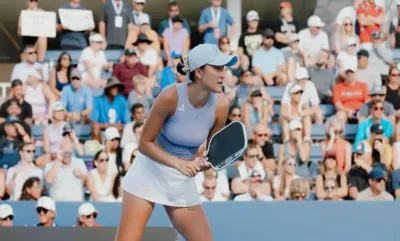
“Elongated” paddles have become the default shape in pickleball, the shape you see most of your friends playing with, the shape most pros play with, probably even the shape YOU play with. But there is a better option for the vast majority of players!
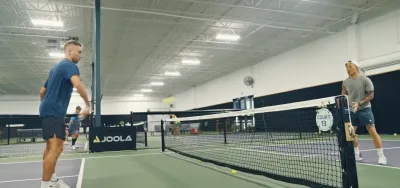
Zane Navratil wants you to loosen up. Or maybe tighten up? Allow us to explain. When it comes to fast hands at the kitchen line, he’s a big proponent of “The Coil Method.” By rotating your upper body as one unit, rather than standing stiff and just frantically swinging your paddle arm, you give yourself valuable extra range of motion to reload and counter-attack.
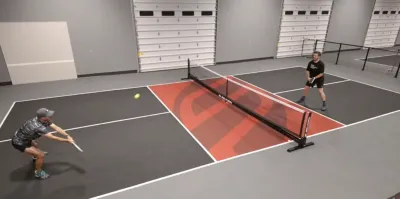
We’ve said it once, and we’ll say it again: Players who thrive in the transition zone are the toughest ones to beat. Selkirk pro Mark Price puts it this way: “It’s not no man’s land, it’s the land of opportunity.” His simple drill may be called the “Unfair Drill,” but it’ll have you resetting like it’s second nature in no time.
You know that feeling when you flinch during a speed-up? Or reach to defend the same crosscourt dink over and over, and pop it up every time? That’s not just a weak spot in your game. That’s panic, the pickleball kiss of death if you ask Anna Bright. In her latest newsletter and blog post (if you don’t subscribe yet, you really should), she shares a few pearls of wisdom for remaining calm in the face of adversity.
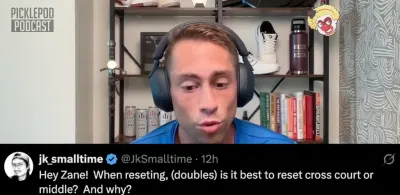
During a PicklePod Q&A session, Zane was asked about the best location to reset, cross-court or middle? He’s fine with it from the transition zone. But “from the kitchen line, never reset. Stop resetting. Resetting is crushing your game. You should just counter-attack instead.”
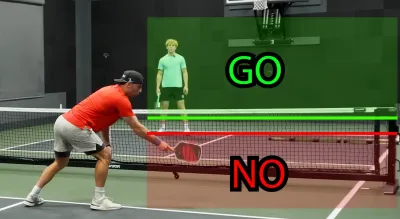
That stat comes from Kyle “That Pickleball Guy” Koszuta. And while we can’t verify its accuracy 100%, it does make sense anecdotally. Extended rallies are the exception in most rec play, not the rule.
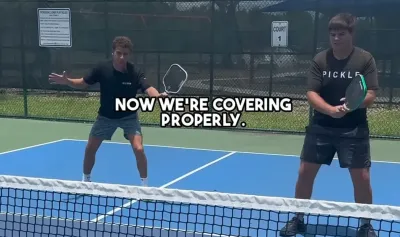
Here’s a quick but useful tip to bring into your weekend matches and beyond. It’s called “The Rope Rule.” After every serve return, your goal should be to get to the kitchen line as quickly and efficiently as possible, right?

a recent video session, Tyson McGuffin explains why, as he breaks down a match he played with Lacy Schneemann against Gabe Tardio and Jessie Irvine. It was a battle, with neither team giving an inch. This approach helped Tyson and Lacy claw their way back against an ultra-aggressive opponent.
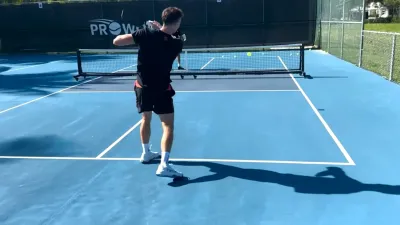
Grayson Goldin just signed a UPA contract and is already turning heads with his electric personality and inhuman power. Nobody is hitting the ball harder than Grayson right now. Just watch the first shot in this montage and tell us we’re wrong.
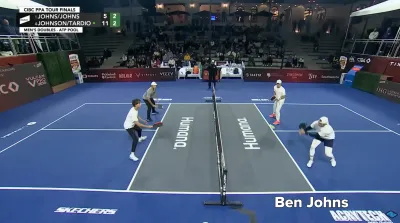
If you’ve ever wondered whether it’s time to perfect the twoey dink, let Zane Navratil put that to bed for you: “If you can’t hit a two-handed backhand dink, you’re not playing modern pickleball.” Dead dinks are the kiss of death these days, and simply playing defense at the kitchen line isn’t going to win you many games. It’s time to level up.
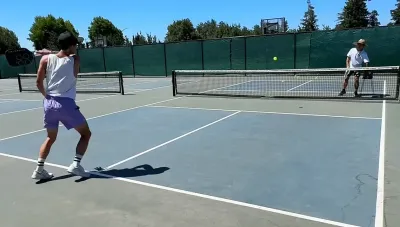
If you don’t come to pickleball from a different racket sport — say, tennis or badminton — the concept of spacing can be taken for granted. That is, the optimal distance from your body the ball should be to make contact for any given shot.
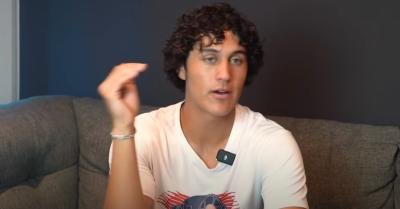
To get in the right headspace heading into the weekend, let’s focus on upping our mental game today, shall we? We’ve all experienced the paradox of pressure on the court. In rec games or even just warmups, it’s easy to play light and free and with a mental clarity that makes every point, win or loss, a delight.