“If you believe your drop, drive, or drip will reach your opponents’ feet and they’ll have to hit up on the next shot, that is a good indicator that you may get an opportunity to move forward and attack the next ball from the transition zone.”
We talk a lot about how to break the 4.0 plateau. But what if you’re not quite there yet? For anyone grinding at more intermediate levels, here are a few solid tips that’ll help take your game up a notch.
There’s a sinking feeling that comes from seeing an opponent set up to take a monster hack at a slice return. We’ve all been there. Hit correctly, this shot can present a rash of problems. It’s hard to drop and easy to pop up. So what do you do?
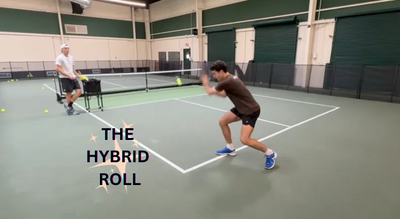
Here’s the stone-cold truth about advanced pickleball in 2026: you can survive using the same bag of shots you’ve relied on for years. But to thrive, to dictate points and win high-level games, you need to improve your skills and add new shots. All the time. Take this one, for example: The aggressive third-shot roll drop.
Kyle Koszuta had a big 2025 on the APP Tour. So big, the dude just announced a new paddle deal with Friday Pickleball. In a new video, he gave some illuminating advice on how he was able to go so deep in so many big tournaments.

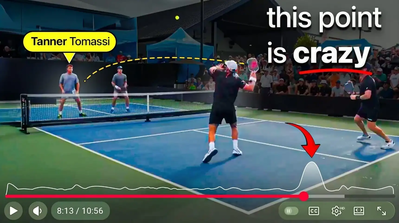
There are few PPA pros playing with more confidence right now than Eric Oncins. Coming off a stellar 2025 season, it’s no wonder he’s a nominee for The 120/Life Dink Awards Breakout Player of the Year. So when he hits a court with APP standout Tanner Tomassi to talk speeding up off the bounce, you best listen.
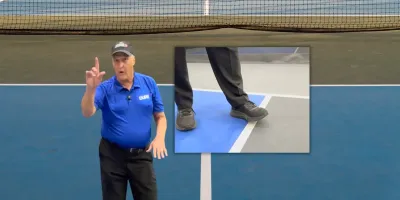
Pickleball rules are full of quirks. And no technicality causes more tiffs or challenges than the “re-establishment” rule. Pros hate getting called for it. You’re probably not getting called for it enough.
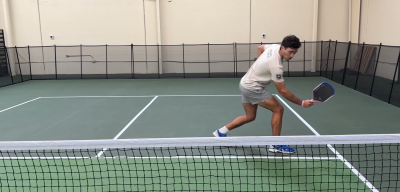
Ever notice how the pros make the game look like it’s moving at .5 speed? There’s nothing slow about their play; they’ve just mastered a principle that puts them one step ahead on nearly every shot. It’s called “cornering the ball” — and it’s the difference between hitting measured, intentional shots at the kitchen line and reaching to stab at that inevitable pop-up.
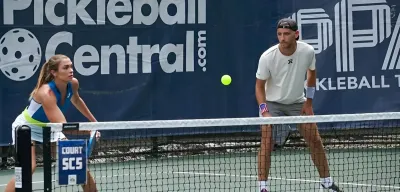
Knowing when to attack at the kitchen line is a critical skill as you face better and better opponents. But knowing where to attack is what separates good attempts from points scored. PPA pro Eric Roddy is an assassin in the short game. It’s not because he’s the most skilled or powerful player out there; it’s because he knows when to go on offense — and how to hit every shot with intention.

Unless you’re new here, you should already know the golden rule for beating bangers at their own game: use their power against them. Zane Navratil doubles down on this mantra in a new video, stressing the point to the max: "If you start out with the mentality of slowing down the banger, you've already lost to the banger."

If you’re the type of player who constantly hits speed-ups off your shoelaces or keeps trying to make the third-shot lob a thing, well… we can’t help you. Do better. But if you’re like most of us and occasionally find yourself swinging for a miracle when a simple dink or reset would do, there’s a pretty simple fix for that.
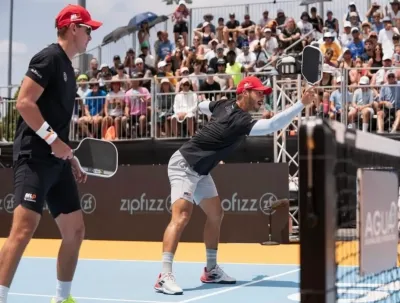
When it comes to technique and strategy, Collin is the absolute GOAT. And he just dropped this nugget of wisdom on our third-shot choices. Firstly, when you’re about to rip a third-shot drive, what’s going through your head? You’re probably thinking winner, winner, chicken dinner, right? WRONG! (says Collin).
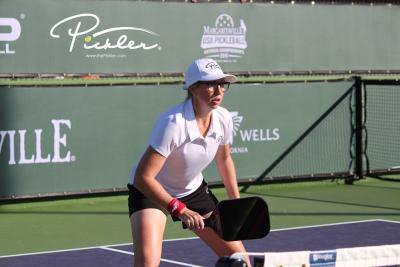
Before mastering volleys or working the angles, you need a solid foundation — your ready position. The right stance at the kitchen line determines how quickly you react, how efficiently you move, and how well you control each exchange.
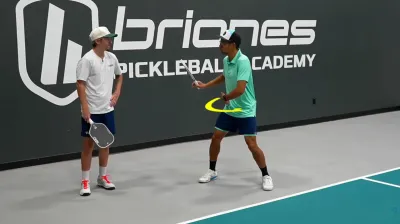
You’re spending hours trying to add steam to your forehand drive, but guess what? You’ve been chasing the wrong things. It’s not your swing, says Briones Pickleball, or your follow-through, or even your grip first. It’s your hips that make all the difference.
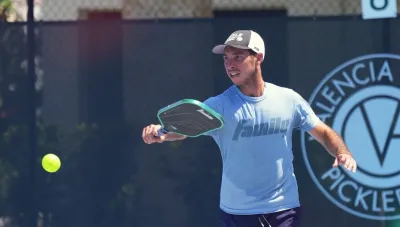
Ever have one of those days where you’re getting absolutely lit up at the kitchen line? Where one player in particular seems to have your number and every hands battle goes his way? Us too. And it got us thinking.
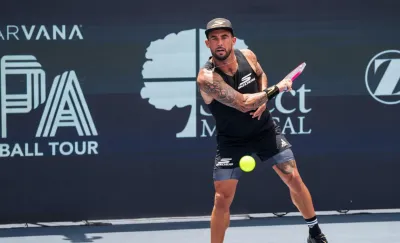
Conventional pickleball wisdom dictates you play soft to get yourself out of hot water. Like when you’re deep behind the baseline, hitting off your back foot, for example. Drop until you can work your way in, right? Wrong, says Tyson McGuffin.